Stretch or not, dynamic or static, before or after, right away or later… how do you make sense of it?
Stretching is a form of exercise that lengthens a muscle or a group of muscles up to the point of discomfort. Static stretching means holding the position for a set time, while dynamic stretching alternates lengthening and a return to the normal position at a faster or slower cadence.
Badly performed stretching can cause injuries. It is important to set up a plan and to refine your technique.
 Did you know?
In the Overload app, you can add exercises of type Warm-up or Stretching to record the warm-ups and stretches you do.
Just add them to your session as you perform them, and track your progress over time!

The short version:
- Static stretching reduces performance, max strength in particular, in the minutes that follow: right before training, prefer dynamic stretching. It is all the more useful when it lasts more than 2 minutes per group and the cadence is high. At that point it is closer to a warm-up.
- Static stretching can help reduce musculoskeletal pain, provided you pair it with other treatment methods. It can help recover mobility lost after a joint injury.
- Over the long term, the micro-lesions caused by stretching promote hypertrophy: in width, max strength increases; in length, flexibility and range of motion increase.
Stretching is known to reduce low-back pain, and that applies to pregnant women too! Stretching can help improve walking and movement comfort for people with Parkinson's disease.
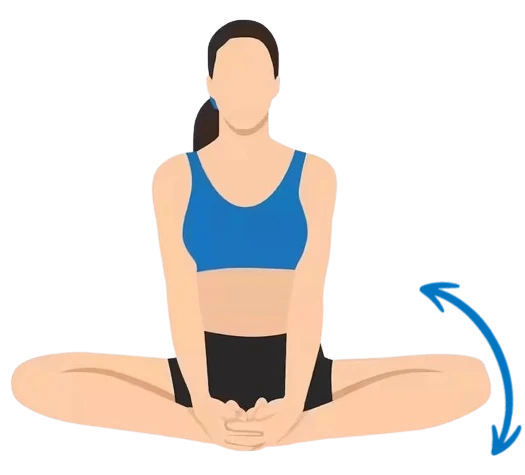
Dynamic stretching
Small movements repeated quickly over a set duration, right before training, improves mobility and max strength.
What happens in the muscle:
Dynamic stretching increases blood flow while activating the nerve circuits, so on that point it works like a light warm-up. This type of stretching improves muscle oxygen saturation transiently, which makes the muscle easier to use.
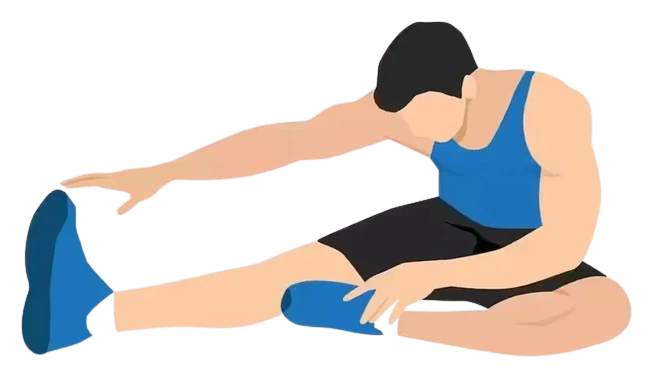
Static stretching
A position held for a set time, at least 30 minutes before training, or well after it, improves your capacities over the long term and helps recover mobility after an injury.
What happens in the muscle:
When you deliberately keep a muscle stretched, you reduce nerve sensitivity for a while. That raises the injury risk, because the response to excessive lengthening is poorer. If you stretch for too long (>30s.), the muscle ends up temporarily less well supplied with blood, which lowers its capacities.
an abrupt stretch of a muscle triggers a nerve signal. It is sent to the brain, which then commands a stretch reflex (the myotatic reflex), a protective mechanism against excessive lengthening.
From a mental point of view: Stretching helps make a training session more pleasant, endurance work such as running above all. Perceived effort is different, and the athlete naturally spares their resources.
- The Effects of Static Stretching Intensity on Range of Motion and Strength: A Systematic Review
- The Influence of Stretching the Hip Flexor Muscles on Performance Parameters. A Systematic Review with Meta-Analysis
- The Effect of Static and Dynamic Stretching during Warm-Up on Running Economy and Perception of Effort in Recreational Endurance Runners
- Effects of Speed and Amplitude of Dynamic Stretching on the Flexibility and Strength of the Hamstrings
- Influence of dynamic stretching on ankle joint stiffness, vertical stiffness and running economy during treadmill running
- The Effects of Static and Dynamic Stretching on Muscle Oxygen Saturation in the Rectus Femoris
- Physiological stretching induces a differential extracellular matrix gene expression response in acetabular labrum cells
This advice is informational and does not replace medical advice. If you have pain or questions, see a healthcare professional.